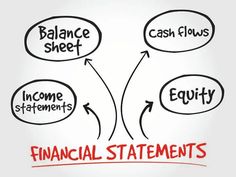
A lot of business owners can tell you their bank balance down to the dollar but couldn’t explain their own income statement if asked. That’s not a knock — it’s just not what most people start a business to learn. Here’s a plain-language guide to the three statements that matter most.
The Income Statement (Profit & Loss) tells you if you’re actually making money. It shows revenue coming in, expenses going out, and what’s left over — your profit or loss — for a given period. The number that matters most here isn’t revenue, it’s net income. A business can have great sales and still lose money if expenses are growing faster. Look at this monthly, and compare it to prior months, not just to your gut feeling about how business “has been going.”
The Balance Sheet tells you what your business actually owns and owes. It’s a snapshot, at a single point in time, of your assets (cash, equipment, receivables), liabilities (debt, unpaid bills), and equity (what’s left over for the owner after liabilities are subtracted from assets). This is where you catch things like a business that looks profitable on paper but is actually thin on cash, or carrying more debt than is sustainable.
The Cash Flow Statement tells you where your cash actually went. This is the one most owners skip, and it’s arguably the most important. A business can be profitable on the income statement and still run out of cash — timing differences between when you earn revenue and when you actually collect it, or between when an expense hits your books and when you pay it, can create real gaps. This statement shows cash from operations, investing, and financing separately, so you can see whether your core business is generating cash or whether you’re propping it up with loans.
The habit that matters more than any single statement: look at all three together, monthly, and compare them over time. One month’s numbers tell you very little. A trend
across six or twelve months tells you almost everything — whether margins are improving or eroding, whether cash is getting tighter or looser, whether the business is actually moving in the direction you think it is. You don’t need to become an accountant to run a financially healthy business. You need books that are accurate enough to trust, and someone who can walk you through what they’re actually telling you in plain terms — not just hand you a PDF and wish you luck.
If your financial statements feel more like a mystery than a tool, we’d be glad to walk through them with you. Call (312) 772-6105 for a free consultation.